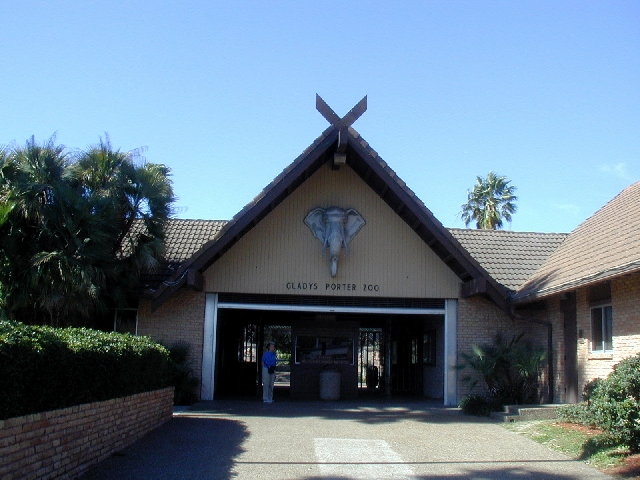
Gladys Porter Zoo: A Texas Legacy of Wildlife Preservation Since 1971
Nestled in the heart of Brownsville, Texas, the
Gladys Porter Zoo stands as a testament to visionary philanthropy and an enduring commitment to wildlife conservation. Since its grand opening on September 3, 1971, this zoological and botanical park has grown into a world-renowned institution, captivating over 424,000 visitors annually with its diverse collection of species and lush, naturalistic exhibits. More than just a local attraction, the Gladys Porter Zoo is a vital hub for education, research, and the preservation of our planet's precious biodiversity, earning its place as a true Texas legacy.
A Vision Realized: The Founding of a Zoological Paradise
The genesis of the Gladys Porter Zoo is a remarkable story of generosity and foresight. The 31-acre park was conceived and entirely funded by the Earl C. Sams Foundation, a profound gift to the city of Brownsville. The zoo is proudly named after Gladys Porter, daughter of Earl C. Sams (former president of J. C. Penney), who was herself a passionate wildlife enthusiast. Her dedication played a pivotal role in planning and stocking the zoo, ensuring it would embody a progressive approach to animal care and public engagement from its very inception.
From day one, the vision for the Gladys Porter Zoo was clear: to create a zoological and botanical park designed for visitor engagement, emphasizing the preservation of nature through education, conservation, healthy outdoor recreation, and research. This forward-thinking philosophy translated into innovative naturalistic exhibits that, years later, would earn the zoo the 1979 Texas Building Branch of Associated General Contractors Outstanding Construction Award. Unlike older, cage-style zoos, the Gladys Porter Zoo prioritized habitats that mirrored the animals' native environments, providing a richer experience for both residents and visitors alike. This commitment to simulating natural settings not only enhances animal welfare but also offers visitors a more immersive and educational insight into the complexity of ecosystems.
A Sanctuary for Biodiversity: Animal and Botanical Riches
The Gladys Porter Zoo is a vibrant tapestry of life, home to an astounding array of creatures and plant species. Currently, the zoo houses approximately 400 animal species, including a critical 47 endangered species, alongside over 250 tropical and neo-tropical plant species and subspecies. This impressive collection highlights the zoo's pivotal role in global conservation efforts, acting as an ark for species teetering on the brink.
Among its notable achievements, the Gladys Porter Zoo holds the distinction of being the first zoo to have successfully bred the endangered Jentink's duiker, a rare forest antelope from West Africa. While none are currently in captivity in the U.S., this historical success underscores the zoo's early and ongoing commitment to species recovery programs. The zoo is also famously known as the birthplace of Harambe, the gorilla, a fact that resonates deeply with many animal enthusiasts worldwide. Beyond these specific examples, the zoo actively participates in Species Survival Plans (SSPs) through the Association of Zoos and Aquariums (AZA), a prestigious accreditation it received in 1978, signifying its adherence to the highest standards of animal care, welfare, and conservation.
Walking through the zoo's diverse exhibits, such as the expanded Herpetarium, the vibrant Orangutan Island, or the sprawling Australian exhibit (opened in 1988 as the largest addition since the zoo's inception), visitors can witness firsthand the dedication to providing enriching environments for each animal. The walk-through aviary, Zack's Aerie, made possible by private donations, offers an intimate encounter with a variety of bird species, further enhancing the park's immersive experience. For a deeper dive into the incredible creatures and conservation stories found here, you might want to
Explore Gladys Porter Zoo: Home to 400 Species & Harambe's Birthplace.
Education, Engagement, and Evolution: Beyond the Exhibits
The Gladys Porter Zoo's mission extends far beyond simply housing animals; it is deeply rooted in fostering a connection between people and the natural world. The zoo's comprehensive education department, expanded significantly in 1989, offers a diverse array of programs designed to inspire curiosity and knowledge across all age groups. What began in 1978 as a trial run of summer study programs for children in grades 1 through 12, with only four classes, has blossomed into an extensive year-round curriculum, offering engaging classes in the spring, summer, and fall. These programs utilize the zoo's living collection as dynamic educational tools, cultivating future conservationists and environmentally conscious citizens.
Communication with its community has always been a priority. The zoo published the first issue of its official newsletter, "Zoo News," in January 1972, which has evolved into a beloved quarterly publication, keeping supporters informed about new arrivals, conservation successes, and upcoming events.
The ongoing enhancement and expansion of the zoo's facilities and programs are often made possible by crucial fundraising efforts, most notably the annual "Zoofari" fundraisers. These events not only secure vital funds but also unite the community in support of the zoo's mission. A significant milestone in the zoo's financial stability was the creation of an endowment fund in 1986, bolstered by generous matching grants from the Earl C. Sams Foundation (up to $2 million) and the Lightner Sams Foundation (up to $1 million). This permanent endowment provides a stable income stream, ensuring the Gladys Porter Zoo can continue to maintain, improve, and innovate for generations to come, truly cementing its legacy. This commitment to continuous improvement and community engagement is central to why many consider it
Discover Gladys Porter Zoo: Brownsville's Hub for Conservation & Education.
Planning Your Visit: Tips for an Enriched Experience
For anyone planning a visit to the Gladys Porter Zoo, a memorable and educational day awaits. Given its 31 acres, comfortable walking shoes are highly recommended! The zoo is thoughtfully laid out, guiding visitors through distinct geographical regions, making navigation easy and enjoyable.
*
Arrive Early: To beat the crowds and enjoy cooler temperatures, especially during Texas's warmer months, consider arriving shortly after opening. Many animals are also more active in the morning.
*
Utilize Facilities: The zoo offers a range of visitor amenities, including clean administrative offices, an education building (check for special programs), convenient concession stands for refreshments, and a gift shop where you can find unique souvenirs and support the zoo's mission.
*
Check the Official Website: Before your visit, always consult the official Gladys Porter Zoo website. It’s an invaluable resource for up-to-date information on operating hours, ticket prices, special events, animal feeding schedules, and educational programs. You might catch a keeper talk or a unique seasonal exhibition!
*
Embrace the Mission: Beyond simply observing the animals, take time to read the informational plaques at each exhibit. They often detail the species' conservation status, the zoo's involvement in their preservation, and what you can do to help. This adds a deeper layer of appreciation to your visit.
*
Healthy Outdoor Recreation: The zoo offers a fantastic opportunity for healthy outdoor recreation for families and individuals. Enjoy the beautifully maintained botanical gardens as much as the animal exhibits, appreciating the overall ecological design.
Conclusion
The Gladys Porter Zoo has blossomed from a generous gift into a cornerstone of wildlife preservation and community enrichment. Its enduring legacy, built upon the vision of Gladys Porter and the Earl C. Sams Foundation, continues to inspire visitors, educate future generations, and safeguard endangered species. As it continues to evolve and expand, the zoo remains a shining example of how a dedicated institution, supported by its community, can make a profound impact on the natural world, cementing its place as a truly cherished Texas treasure.